I Did It Broke.
Abroad.
Alone.
With a Kid on the Way.
Which means when you arrive in Panama with your business, your team, and your resources already in place — I already know it works for you.
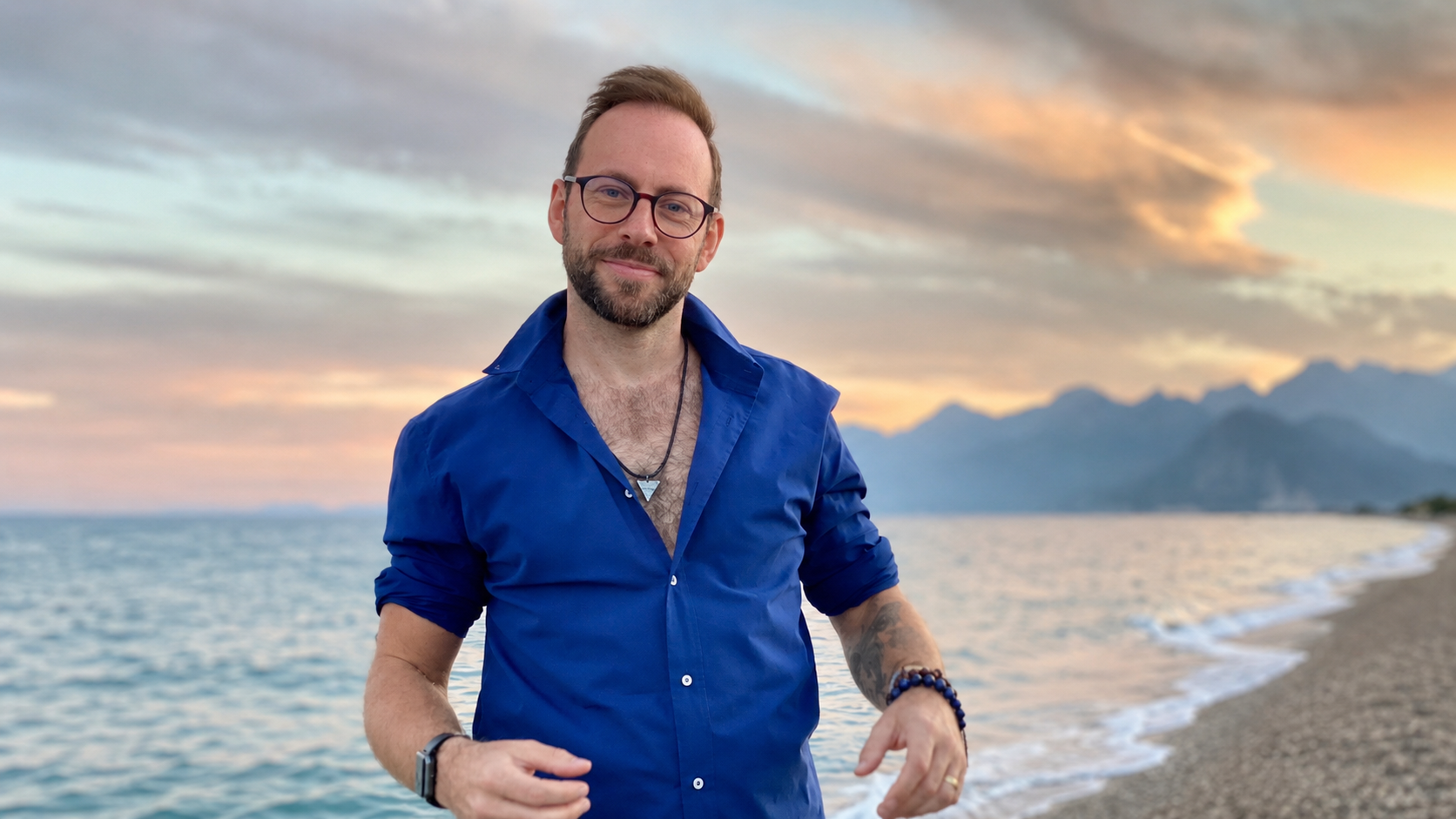
Where This Started
I was in India when COVID hit. Not visiting. Living there. I watched borders close in real time and understood, at a very practical level, what it means to be in a foreign country with only one passport and no legal right to be anywhere else.
That experience changed how I think about residency. A second passport or a second permanent residency is not a luxury for the ultra-wealthy. It is the only thing that gives you a choice when the world stops cooperating with your plans.
I came back from India asking why professionals who earn more in a year than most people earn in a decade are still handing a majority of it to a single government by default.
"All you really need to live and operate globally is a passport, credit/debit card and a phone."
The Journey
Eight years. Seven countries lived in, not just visited. China, Vietnam, Thailand, Indonesia twice, India, Sri Lanka, Turkey. I held temporary residencies in two of them. I filed Canadian non-resident tax returns from three different countries.
I married an Iranian woman in Turkey and successfully navigated the entire immigration process to bring her to Canada. My son was born in Turkey. At the same time, I was managing his temporary passport, his Turkish residency, and his Canadian citizenship application — across two embassies, while living in a third country.
I built a yoga course from scratch while living abroad — launched at $99, scaled to $1,000 within three months, and to $5,000 eighteen months later. I ran a federally incorporated Canadian company with customers in eight countries from a desk in Antalya, Turkey. I built more than 200 Zapier automations in two years with no budget.
I have watched the Turkish Lira lose half its value in a single year. I was in India during the rupee demonetisation. I hold Bitcoin in cold storage and I have borrowed against it rather than selling it. These are not talking points. They are the experiences that formed how I think about money, mobility, and structure.
What I Bring
7 Countries Lived In
China, Vietnam, Thailand, Indonesia (twice), India, Sri Lanka, Turkey. Temporary residencies in two.
Federal Canadian Corporation
Incorporated, operated, and managed remotely across three countries. Customers in eight countries.
200+ Automations Built
Zero budget. Two years. The remote business management framework comes from doing it, not reading about it.
6 Years Apple Retail
Complex products explained simply. The foundation of how I work with clients at every stage.
Bitcoin in Cold Storage
Self-custody, Ledn-backed loans, hard money thesis from lived currency devaluation across three countries.
Complex Immigration Navigated
Four concurrent applications across two embassies while living in a third country. All resolved successfully.
Before This Was a Business
My first retreat was in Turkey. I recruited one participant — a British professional who had been thinking about leaving the UK but had never made the move. Over the course of a week, we talked about working online, managing a business from abroad, and what the practical steps actually look like.
He later moved permanently from the UK to the Azores, Portugal. That conversation was before I had formalised any of this. It confirmed that what I know is genuinely useful to the right person, and that one week with the right guide changes what feels possible.
What You Actually Need to Know First.
🇨🇦 For Canadians
Understanding the move starts with understanding how tax systems work. There are three types:
Residency-based (Canada) — you pay tax based on where you live. Leave, establish residence elsewhere, and CRA's claim on your foreign income ends.
Citizenship-based (USA only) — you pay tax based on your passport regardless of where you live. Americans cannot eliminate US tax obligations by moving to Panama.
Territorial (Panama) — you pay tax only on income sourced within Panama. Foreign-sourced income is untaxed by Panamanian law. This is the system that changes everything for a Canadian professional earning internationally.
Once you formally break Canadian tax residency, file your departure return, and demonstrate primary residence in Panama, CRA's claim on your foreign-sourced income ends. Not a DIY process — a cross-border specialist should be engaged at least six months before departure.